
Beginner Kayaking Tips: Gearing Up, PFD Fit & Choosing the Right Kayak
- Headwatersdan
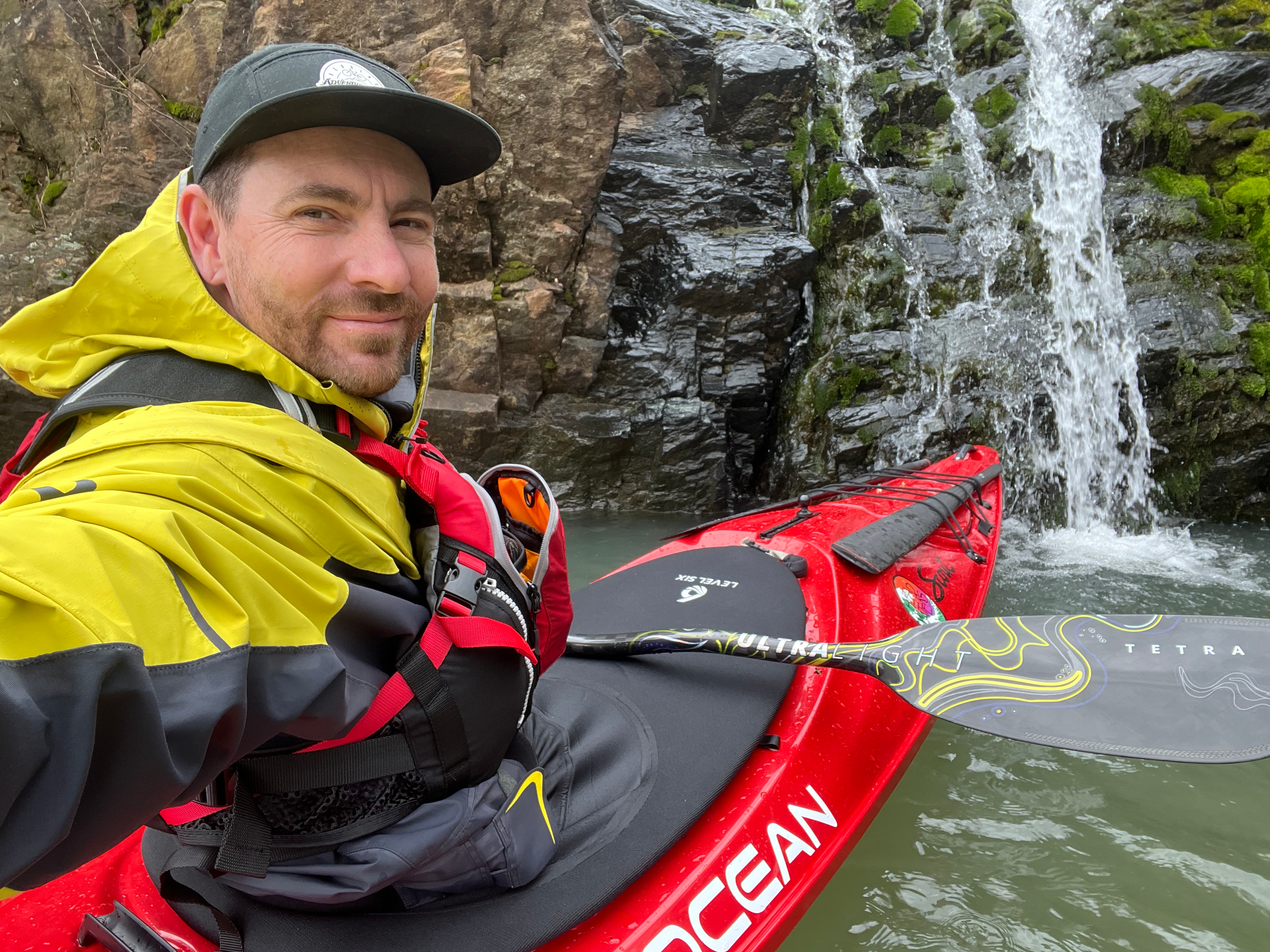
- Jul 11
- 3 min read
If you're new to kayaking or thinking about getting started, these are the basics of what you should know before jumping in. There’s a lot of gear advice floating around, but I want to break it down what actually matters when you're first getting on the water. In this post (and the video below), I cover how to fit your life jacket, set up your kayak for proper posture, and choose the right kayak for the kind of paddling you want to do.
Watch the full video here: Getting Started with Kayaking | Headwaters Kayak
Beginner Kayaking Tip #1: Get a Good Lifejacket:
Before you even think about buying a kayak, get a proper life jacket—specifically one made for paddling.
Here’s what I recommend:
Kayaking-specific PFDs with large arm cut outs to avoid chafing
High back mesh to fit with kayak seats
Pockets for essentials like a whistle, sunscreen, or phone
Skip the bulky neoprene ones—they aren’t comfortable for paddling and don’t offer the same range of motion.
How to Fit Your PFD:
Loosen all straps first.
Zip it up, then adjust bottom to top.
Tighten the chest cinch (if it has one).
It should feel snug but allow freedom of movement—no riding up in the water.
Get Your Kayak Set Up for Success
A lot of beginners lean back and paddle just with their arms, which is a recipe for sore shoulders and inefficient paddling.
Here’s what I suggest:
Adjust your foot pedals so your knees are slightly bent and feet are engaged.
Sit upright with your pelvis rotated forward.
Tweak your backrest for good posture and core rotation.
It’s all about unlocking better body mechanics and enjoying longer, more comfortable sessions on the water.
Choosing the Right Kayak for Where You Paddle
Different water = different boats. Here's a simple breakdown:
Flat Water (Lakes, Bays)
Look for 12–16 ft boats with good glide and tracking.
Touring-style kayaks or sleek recreational models are a great fit.
Rivers (Class I–II)
Shorter kayaks (under 10 ft) are more maneuverable.
Flatter bottoms make it easier to turn and catch eddies.
Ideal for current, quick turns, and easier handling.
A Mix of Both
Go for a 10–12 ft kayak that balances tracking and turning.
These are great if you paddle both rivers and flat water.
🛟 Don’t Forget Flotation
This is a safety issue that gets overlooked all the time. Some kayaks, especially cheaper ones don’t have proper flotation. That’s dangerous if you capsize because they can fill with water and be very tricky to get the water out and get back in.
What I recommend:
Look for bulkheads (sealed compartments) in the front and back.
If your kayak doesn’t have them, use float bags.
Sit-on-top kayaks are fully sealed and naturally buoyant—they're a great option for new paddlers. If you paddle off shore I still suggest adding some floatation to these using pool noodles or float bags.
Hull Shape 101
The way your kayak’s hull is designed changes how it behaves:
Full-length keel = better tracking for lakes
Flat midsection = more maneuverable for rivers
Completely flat hull = good for rapids, but not flat water
Also keep in mind: just like paddlers come in all sizes, so do kayaks. A boat that’s perfect for someone at 130 lbs may not work for someone at 250+. Always check the weight rating—and factor in any gear you plan to carry.
Final Thoughts
There’s a lot to take in when you're just starting out, but I hope this helps you avoid some of the early mistakes I made. Whether you're shopping for your first kayak or dialing in your setup, it’s all about making small changes that lead to better paddling experiences.
Got questions? Drop them in the comments— I try to answer as many as I can so we can all learn together.
And if you're local to Northern California, come visit us at Headwaters Kayak. We do demos, classes, and we love helping people find the right boat for their journey.
🎯 Biggest takeaway: Always wear your PFD. It’s simple, easy, and it saves lives.
Thanks for reading—and happy paddling.
– Dan


Comments